
Advice
Why Fatty Liver Disease Is Becoming a Growing Health Concern

Liver disease is becoming a growing global health concern, and one of the most worrying developments is that many people affected by it rarely drink alcohol. Experts are warning that everyday dietary habits, particularly the consumption of sugary drinks, ultra-processed foods and unhealthy fats, could be contributing to a silent health crisis.
For many years, liver disease was largely associated with excessive alcohol consumption. However, a condition known as metabolic dysfunction-associated steatotic liver disease (MASLD), formerly called non-alcoholic fatty liver disease, is becoming increasingly common among people who drink little or no alcohol. The condition is closely associated with obesity, type 2 diabetes, high blood pressure and poor metabolic health.
What makes MASLD particularly concerning is that it can develop without noticeable symptoms. Many people live with the condition for years without knowing that fat is gradually accumulating in their liver. Over time, this accumulation may lead to inflammation, scarring and, in severe cases, cirrhosis, liver failure or liver cancer.
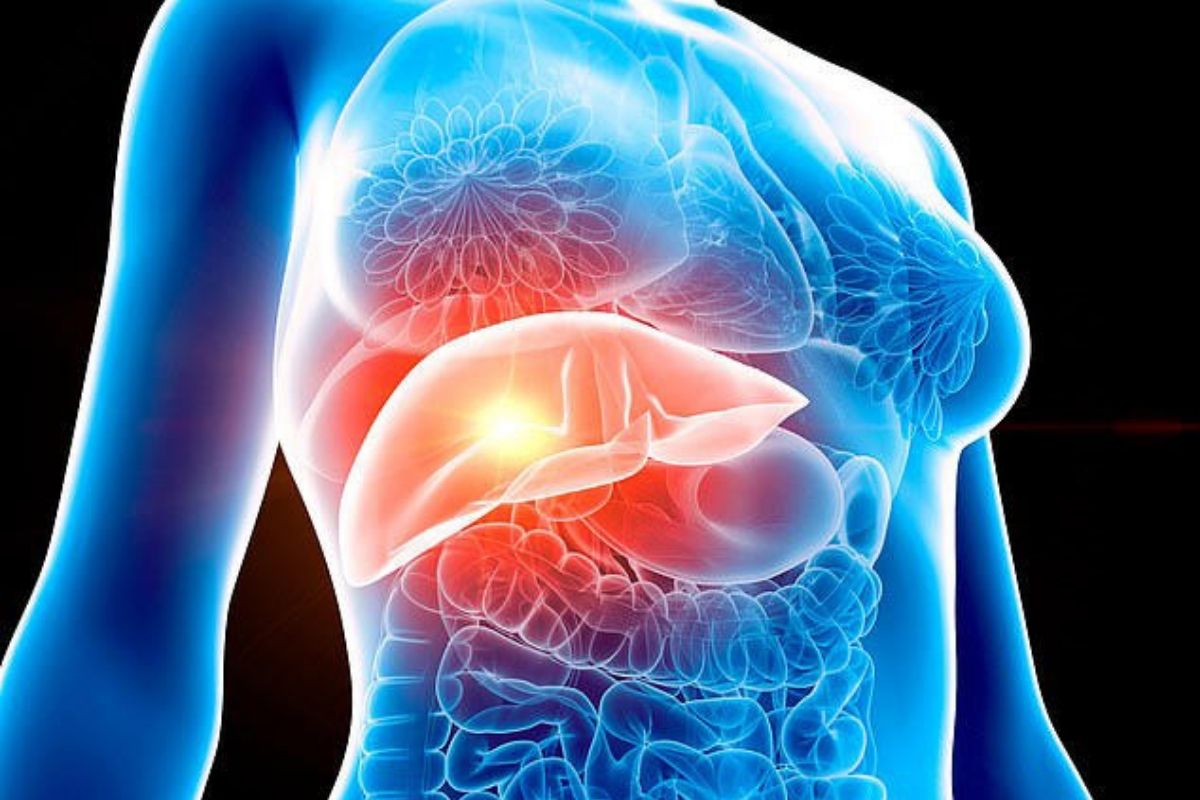
The liver performs hundreds of essential functions, including processing nutrients, regulating important metabolic processes and removing harmful substances from the bloodstream. Although it has a remarkable ability to recover from certain types of damage, prolonged exposure to unhealthy dietary and lifestyle factors can gradually affect its performance.
Ultra-Processed Foods and Their Impact on Liver Health
One of the major dietary concerns highlighted by health experts is the growing consumption of ultra-processed foods. These include many packaged snacks, processed meals, sugary breakfast cereals, confectionery and other products containing substantial amounts of added sugars, refined carbohydrates, unhealthy fats and additives.
Ultra-processed foods are often designed to be convenient, appealing and easy to consume in large quantities. As a result, people may regularly take in more calories than their bodies require.
When excess energy is stored as fat, some of it can accumulate in the liver. Over time, this may contribute to the development or progression of fatty liver disease, particularly among individuals who are overweight or have insulin resistance.
Although researchers are still examining the independent effects of various food additives, evidence increasingly associates diets high in ultra-processed foods with poorer metabolic health.
Reducing reliance on these products and choosing more whole or minimally processed foods can therefore be an important step towards protecting the liver.
Sugary Drinks and the Hidden Danger of Excess Sugar
Many people pay attention to the foods they eat but overlook the quantity of sugar they consume through beverages.
Soft drinks, energy drinks, sweetened fruit juices and other sugar-rich beverages can contribute significantly to daily calorie intake. Regular consumption may increase the risk of weight gain, insulin resistance and fat accumulation in the liver.
Fructose, a type of sugar found naturally in fruit and added to many sweetened products, is largely processed by the liver. Consuming excessive amounts of added sugars, particularly through sweetened beverages, may encourage the production and storage of liver fat.
A study involving more than 123,000 British adults reported associations between the consumption of sweetened beverages and an increased risk of MASLD. The findings also raised questions about artificially sweetened drinks, although observational research cannot establish that these beverages directly cause liver disease.
Whole fruits remain a healthier choice than fruit juices because they contain fibre and generally encourage slower consumption. Water, unsweetened tea and other drinks without added sugar are also sensible alternatives.
Why Processed Meat Consumption Should Be Limited
Processed meats, including sausages, bacon, ham and certain preserved meat products, have also attracted attention because of their possible effects on long-term health.
These products are commonly preserved through smoking, curing, salting or the addition of preservatives. Many contain substantial amounts of sodium and saturated fat.
Regularly consuming large quantities of processed meat has been associated with several health concerns, including cardiovascular disease and certain cancers. Diets high in processed meat may also contribute to metabolic problems linked to fatty liver disease.
High sodium intake can worsen blood pressure, while excessive saturated fat consumption may affect cholesterol levels and metabolic health.
This does not necessarily mean that all red meat must be eliminated from the diet. Rather, choosing lean cuts, controlling portion sizes and replacing some processed meats with fish, beans and other protein sources may support better long-term health.
Alcohol Remains a Significant Threat to the Liver
Although fatty liver disease can develop independently of alcohol consumption, alcohol remains an important cause of liver damage.
The liver is responsible for metabolising alcohol, but excessive consumption can trigger inflammation, fat accumulation and progressive damage to liver cells.
Binge drinking is particularly harmful because it exposes the liver to substantial quantities of alcohol within a short period.
Combining alcohol with certain medications, including excessive doses of paracetamol, can further increase the risk of serious liver injury.
While some studies have explored possible associations between moderate red wine consumption and specific health outcomes, alcohol should not be recommended as a way to improve liver health. No level of alcohol consumption is completely risk-free.
Reducing alcohol intake, or avoiding it altogether, remains one of the most effective ways to lower alcohol-related liver risks.
The Mediterranean Diet: A Healthier Approach to Eating
Beyond identifying foods that may increase the risk of liver disease, researchers have also examined dietary patterns that may help protect the organ.
One widely recommended approach is the Mediterranean-style diet, which emphasises vegetables, fruits, whole grains, legumes, fish, nuts and healthy fats such as extra virgin olive oil.
These foods provide important nutrients, including fibre, antioxidants and unsaturated fats, which support metabolic health.
A Mediterranean-style diet may help improve blood sugar regulation, reduce harmful cholesterol levels and decrease excess fat accumulation in the liver.
Rather than focusing on a single food or supplement, experts generally encourage adopting a balanced eating pattern that can be maintained over time.
For people already living with fatty liver disease, dietary changes, regular physical activity and appropriate weight management can significantly improve liver health.
Could Coffee Help Protect the Liver?
Coffee has attracted considerable scientific interest because of its potential protective effects on liver health.
Research involving large populations has found that regular coffee consumption is associated with a lower risk of certain liver diseases, including liver cancer and advanced liver scarring.
Some studies suggest that coffee contains bioactive compounds and antioxidants that may help reduce inflammation and protect liver cells from damage.
Interestingly, some of these associations have also been observed among people who drink decaffeinated coffee.
However, this does not mean that drinking large quantities of coffee guarantees protection against liver disease. The benefits may vary depending on an individual’s health, caffeine tolerance and other lifestyle factors.
People with certain medical conditions, including those affected by caffeine sensitivity, should seek appropriate guidance before significantly increasing their coffee consumption.
Who Is Most at Risk of Fatty Liver Disease?
Fatty liver disease can affect people of different ages and body sizes, including individuals who appear physically healthy.
However, certain conditions and lifestyle factors increase the likelihood of developing it. These include:
- Being overweight or having excess abdominal fat.
- Living with type 2 diabetes or insulin resistance.
- Having high blood pressure or abnormal cholesterol levels.
- Frequently consuming sugary drinks and energy-dense processed foods.
- Leading a largely sedentary lifestyle.
- Having a family history or genetic predisposition to metabolic liver disease.
Importantly, being slim does not automatically mean a person is free from fatty liver disease. Some individuals with a healthy body weight may still develop the condition because of genetic factors, metabolic abnormalities or the distribution of body fat.
Another major challenge is that MASLD often produces no obvious warning signs in its early stages. This makes regular health assessments particularly important for people with diabetes, obesity and other metabolic risk factors.
Healthcare professionals may recommend blood tests, liver imaging or specialised assessments where appropriate.
Protecting Your Liver Starts With Everyday Choices
The increasing prevalence of fatty liver disease highlights an important reality: serious health conditions do not always begin with dramatic symptoms. Sometimes, they develop gradually through everyday habits that appear harmless.
Protecting the liver does not necessarily require complicated diets or expensive health products. Consistently choosing healthier meals, reducing added sugar, limiting processed foods, exercising regularly, maintaining a healthy weight and avoiding excessive alcohol consumption can make a meaningful difference.
People who already have metabolic risk factors should also take their routine medical assessments seriously rather than waiting for symptoms to appear.
The most important lesson is that liver disease is no longer a concern only for people who consume alcohol. The foods we eat, the drinks we choose and the habits we maintain can all influence our liver health. Making better choices today may help prevent serious complications in the years ahead.Editor’s note: This article has been rewritten from the supplied material, with advertisements, repeated captions, promotional insertions and unnecessary text removed. Some strong medical claims have been qualified to avoid presenting preliminary research or individual expert opinions as established facts. The article is intended for general health awareness and does not replace professional medical advice.
Related