

News
Alake: Tinubu Put Re-Election At Risk To Fix Nigeria’s Economy

Solid minerals minister Dele Alake says Tinubu chose difficult economic reforms despite political consequences previous administrations avoided because of electoral concerns.
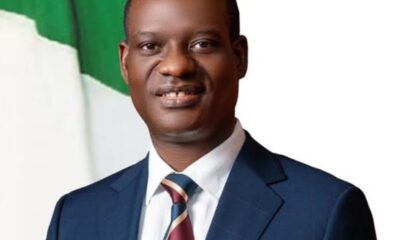
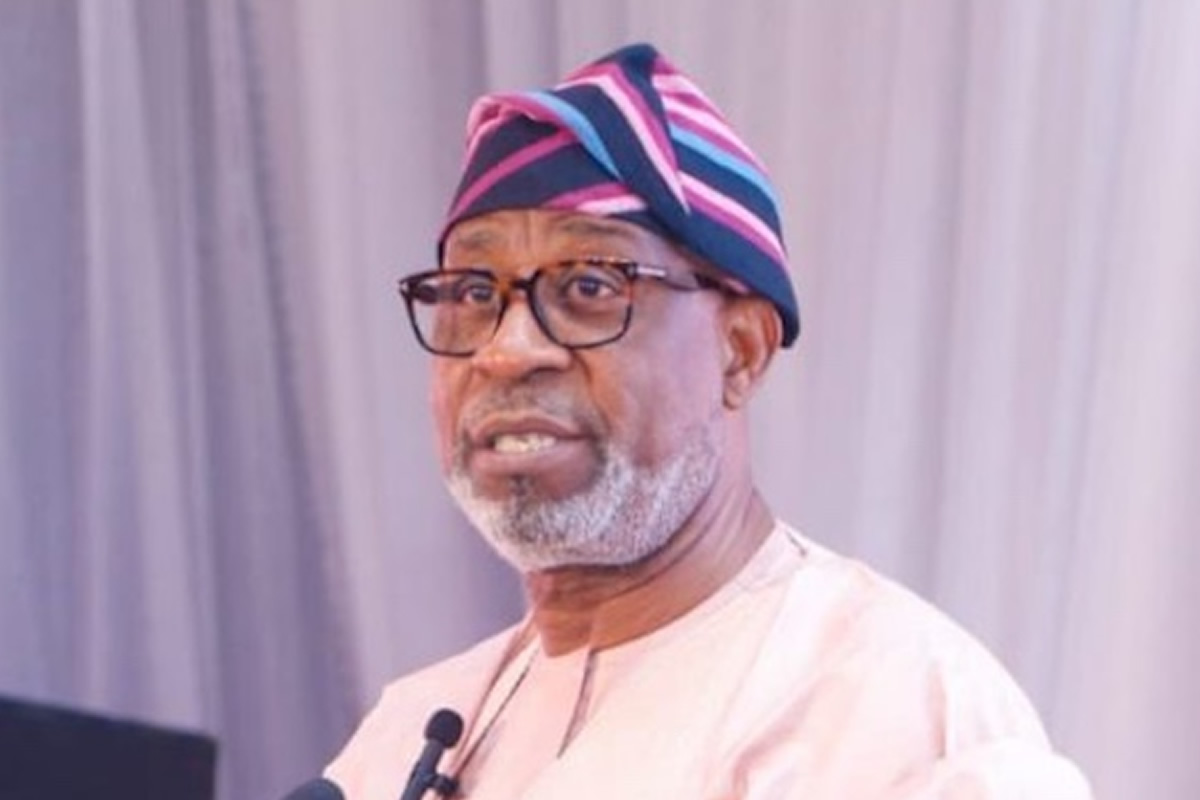
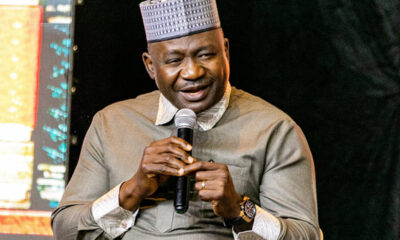
The Minister of Solid Minerals Development, Dele Alake, has said President Bola Tinubu put his re-election bid on the line to restructure the “badly damaged” economy.
Alake, who is also the Spokesperson of the All Progressives Congress (APC) Presidential Campaign Council for the 2027 presidential election, said the administration’s decision to take difficult measures were necessary to rescue Nigeria from long standing economic distortions.
The minister stated this Wednesday in Abuja during an interactive session with journalists.
He said previous governments were aware of the reforms required to correct the country’s economic challenges but often avoided them because of their potential political consequences.
Alake posited that at a time Tinubu assumed office, there was no shortcut to restructuring an economy that had been badly damaged by years of policy inconsistencies and reluctance by successive administrations to take difficult decisions.
While admitting that the reforms had brought significant short-term difficulties, he said they were necessary to prevent the economy from sinking deeper into crisis.
The minister emphasised that successive administrations had recognised the need to end the subsidy regime but were forced to postpone the decision because of fears of public backlash which could affect their electoral fortune
His words: “Somebody came and decided to swallow the bitter pill, to take the bullets on behalf of Nigerians. You must go through the pain, and then the gains will start to manifest.”
Alake said every major policy had a gestation period involving formulation, mobilisation of resources, implementation and monitoring, saying the benefits of government policies could not always be expected immediately
He also defended the subsidy removal against claims that ordinary Nigerians were its major beneficiaries, arguing that the biggest beneficiaries were fuel cartels and wealthy individuals who consumed significantly more petroleum products.
Alake noted that the stiff opposition to the removal of petrol subsidy was expected, adding that some beneficiaries of the subsidy regime had built businesses around the system.
He added: “Subsidising fuel meant that households with several vehicles received greater benefits than poorer Nigerians who owned no vehicles.
“When the fuel subsidy was removed, did you think that they would fold their arms and be looking? No! They will fight back.”
Related