

Advice
Timi Dakolo Promotes Rest For Men, Emphasizing That Fatigue Is Not Laziness

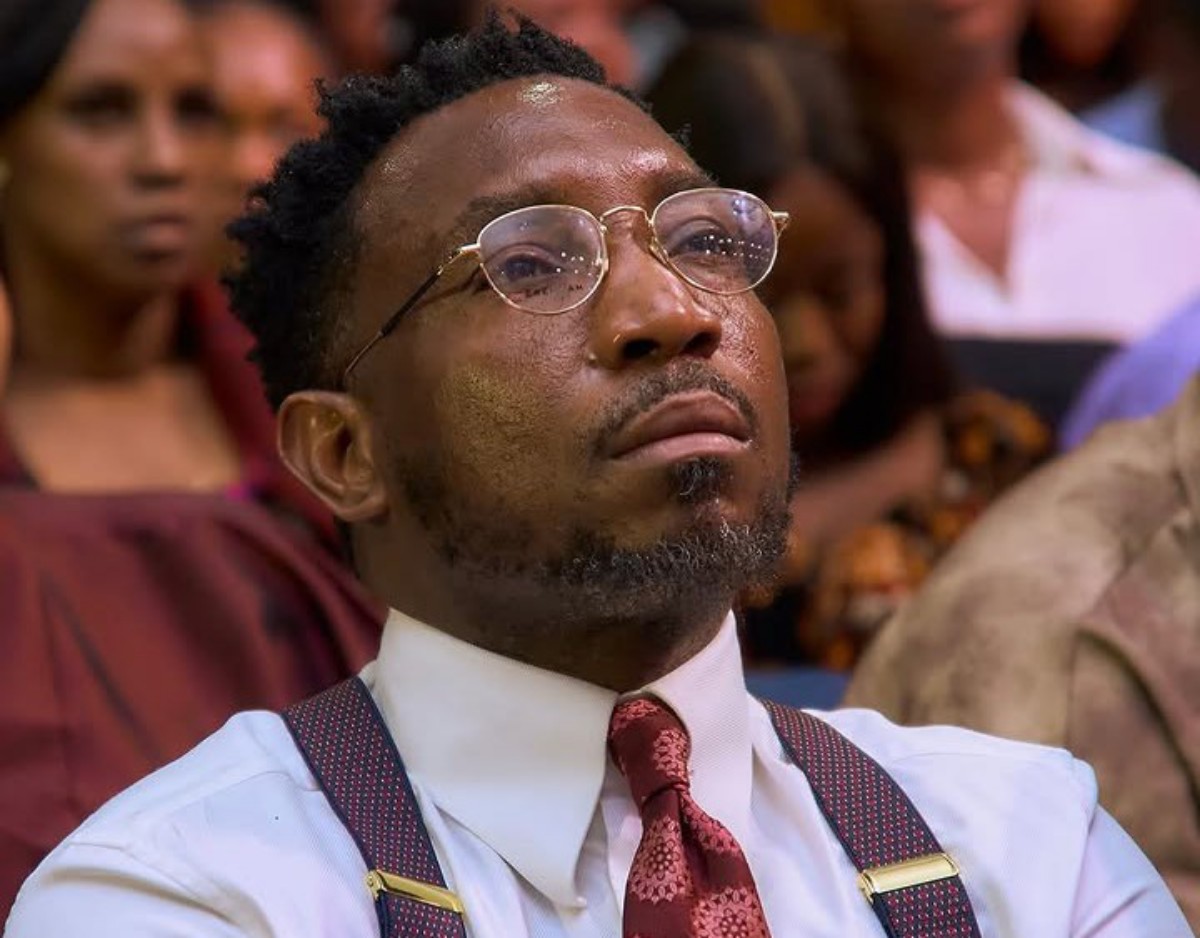
Timi Dakolo, a singer, has advised men to take breaks when they’re tired, claiming that continuously projecting strength doesn’t extend life and frequently comes at a personal cost.
The artist addressed men directly in an Instagram message, pointing out that many of them feel under pressure to look strong even when they’re exhausted.
He warned that since even strong men are mortal, keeping up a façade of toughness provides no true protection.
“Dear brotherly, pretending to be strong even when you’re really tired doesn’t add years to your life. Strong men die too, and the world will move on fast, especially the people you are acting strong for. If you’re tired, rest small. Tired no be laziness.”
Rest is an essential aspect of maintaining overall well-being, regardless of who is in charge or the demands placed upon them. No matter the drive, ambition, or responsibilities, taking the time to rest ensures the mind and body remain healthy and resilient.
Recognizing the importance of rest helps break the cycle of overexertion and promotes a sustainable approach to productivity and life. After all, true strength lies in knowing when to pause and recharge.
Related