





Faith & Spirituality
The Reality of What God Has Said

There are things God has already settled that many believers are still trying to persuade Him to do. 1 Peter 2:24 says, “By whose stripes you were healed.” Peter is speaking about something Christ has already accomplished. Yet it is possible to read that verse, quote it faithfully, and still be more conscious of the condition than of what Christ has done.
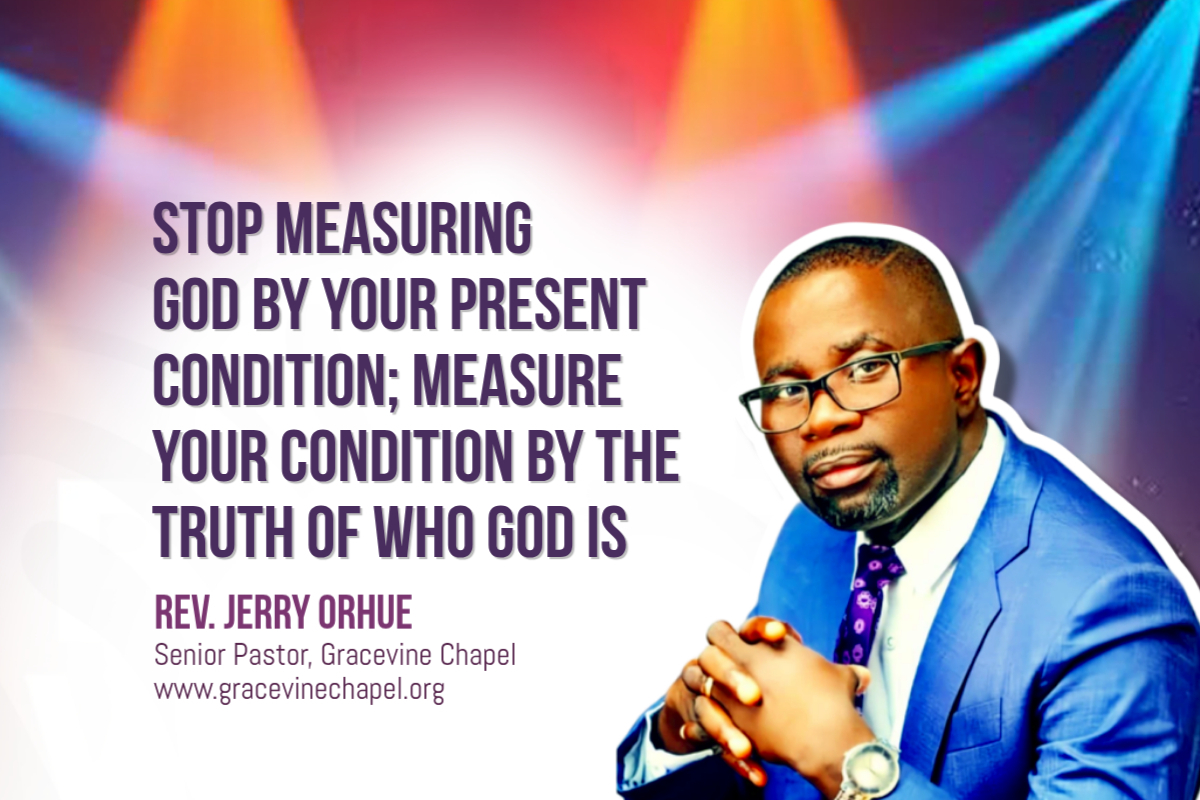
Faith is not an attempt to convince God to be good. Before you asked, Christ had already come. Before you understood redemption, the price had already been paid. Before you knew you would need mercy, mercy had already been made available. Faith does not begin with man trying to move God. It begins with the revelation that God has already moved towards man. The cross is the clearest proof of this. When this truth becomes settled in your heart, even the way you pray begins to change. You stop praying as though God’s unwillingness is the problem and begin to ask, “What has God said?” You stop measuring God by your present condition and begin to measure the condition by the truth of who God is.
Isaiah 33:24 says, “And the inhabitant will not say, ‘I am sick’.” One of the great disciplines of faith is learning not to turn present challenges into a prophecy about your future. A difficult season can last so long that it begins to shape the way you see yourself. Unbelief does not always sound rebellious. Sometimes it sounds like, “I do not want to get my hopes up,” “Let us see what happens,” or “I have tried before, so I will not expect too much.” After repeated disappointment, the heart can begin to protect itself by expecting less. You may still pray, attend church and quote Scripture, yet deep inside, you have stopped believing that things can change. When pain begins to speak louder than God’s Word, His promises can start to feel difficult to believe.
Unbelief often wants evidence before it will trust. We want the door to open before we believe God is leading, the provision to appear before we believe He will provide, and the situation to change before we believe He is at work. Yet much of what God does begins where the eye cannot see. A seed is alive beneath the soil before anything appears above the ground. Joseph did not know Pharaoh was about to dream. David did not know Samuel was on his way. Esther did not know that a sleepless night in the palace would change Mordecai’s story. We must be careful not to mistake what is hidden for what is absent. This is why faith must keep returning to what God has said.
And what has God said about seasons that appear to have taken something from us? Jeremiah 30:17 reveals something important about His nature: He is a Restorer. When God says, “I will restore,” He is declaring that loss does not have the final word. He is not limited to preserving what remains; He is able to redeem what appears to have been lost. Isaiah 14:27 takes this further: “For the LORD of hosts has purposed, and who will annul it?” God’s purpose does not become invalid because the journey has become difficult. Joseph’s brothers opposed the dream, yet their actions became part of the road towards its fulfilment. A difficult season is not evidence that God’s purpose has failed.
Do not allow the length of the season to give it a name God never gave you. Not every resistance is a verdict, and not everything that slows you can stop what God has ordained. Today may explain your present condition, but it does not have the authority to announce your final outcome. Let God speak over tomorrow.
Remain blessed,
Rev. Jerry Orhue
Senior Pastor, Gracevine Chapel
www.gracevinechapel.org
Related