

News
EFCC Chief Calls For Religious Support In The Battle Against Corruption

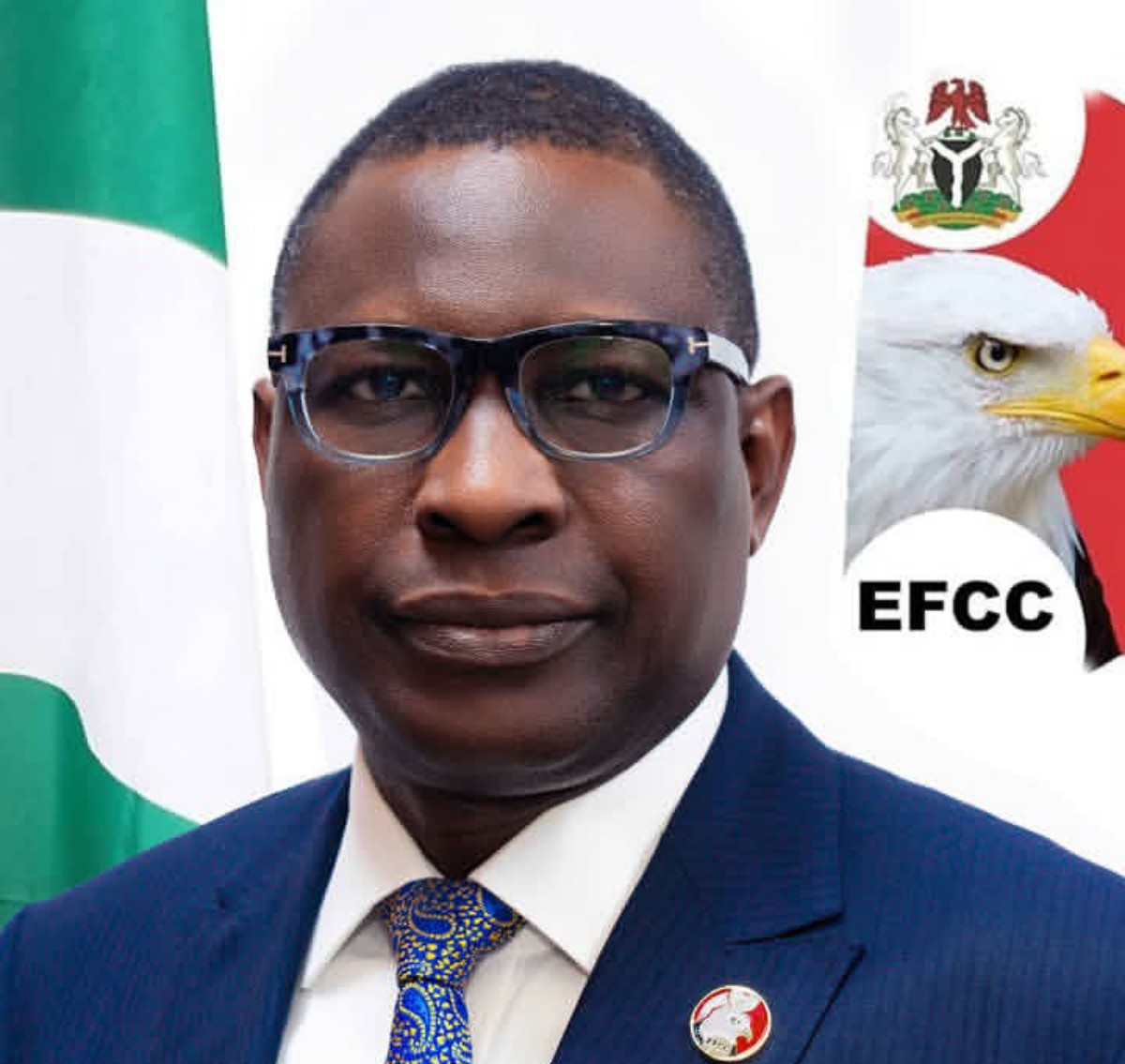
Religious leaders throughout Nigeria have been urged by EFCC Chairman Ola Olukoyede to consistently teach their adherents the correct religious doctrines, especially those that oppose corruption and its negative social effects.
On Wednesday, September 23, 2026, in Abuja, Olukoyede made the call during the Nigeria Inter-Religious Council’s (NIREC) second Council Meeting in 2026 and the introduction of the Anti-Corruption Interfaith Manual for religious leaders.
Speaking on the theme, “Shared Sacred Flourishing in Nigeria,” the EFCC chairman said stakeholders in the fight against corruption must recognise that the wellbeing of Nigerians depends on the actions of individual citizens and that corruption undermines shared prosperity.
Olukoyede said, “Corruption privatizes what is shared, converts the commonwealth into private advantage, and allows one person to flourish by making many others poorer,” adding that the role of the EFCC was to defend the integrity of the commonwealth.
“We have been doing this through the inter-faith framework. Over the years, we have specifically spelt out what should be the roles of religious leaders and the doctrine they need to pass down to their followers. We believe that no religion condones corruption and no faith entertains fraudulent engagements.”
“We are using this opportunity to launch the Manual which we hope our religious leaders will surely find useful in preaching anti-corruption messages to their members.”
“Financial crime has no religion. Corruption has no tribe. Fraud does not become Christian or Muslim because of the identity of the person accused of committing it. When public money is stolen, both Christians and Muslims suffer. A badly equipped hospital does not first ask a dying patient where he worships. A collapsed road does not distinguish between a Christian traveller and a Muslim traveller. Unemployment does not respect denomination. Inflation does not spare one faith community.”
“Religious institutions have extraordinary responsibility in Nigeria’s anti-corruption struggle. The EFCC can investigate a person’s conduct. Faith communities can influence that person’s character. We can prosecute fraud. Religious teaching can cultivate honesty.
“We can confiscate illicit wealth. Churches and mosques can challenge the values that make society worship wealth without questioning its source. We can punish corruption after the event. Faith can help prevent it before it begins.”
Religious leaders have a vital role to play in shaping the moral fabric of society. They should actively encourage Nigerians to stand against corruption by integrating messages of integrity, honesty, and accountability into their sermons. By doing so, they can inspire their congregations to embrace ethical values and collectively work towards building a transparent and corruption-free nation.
Related