








News
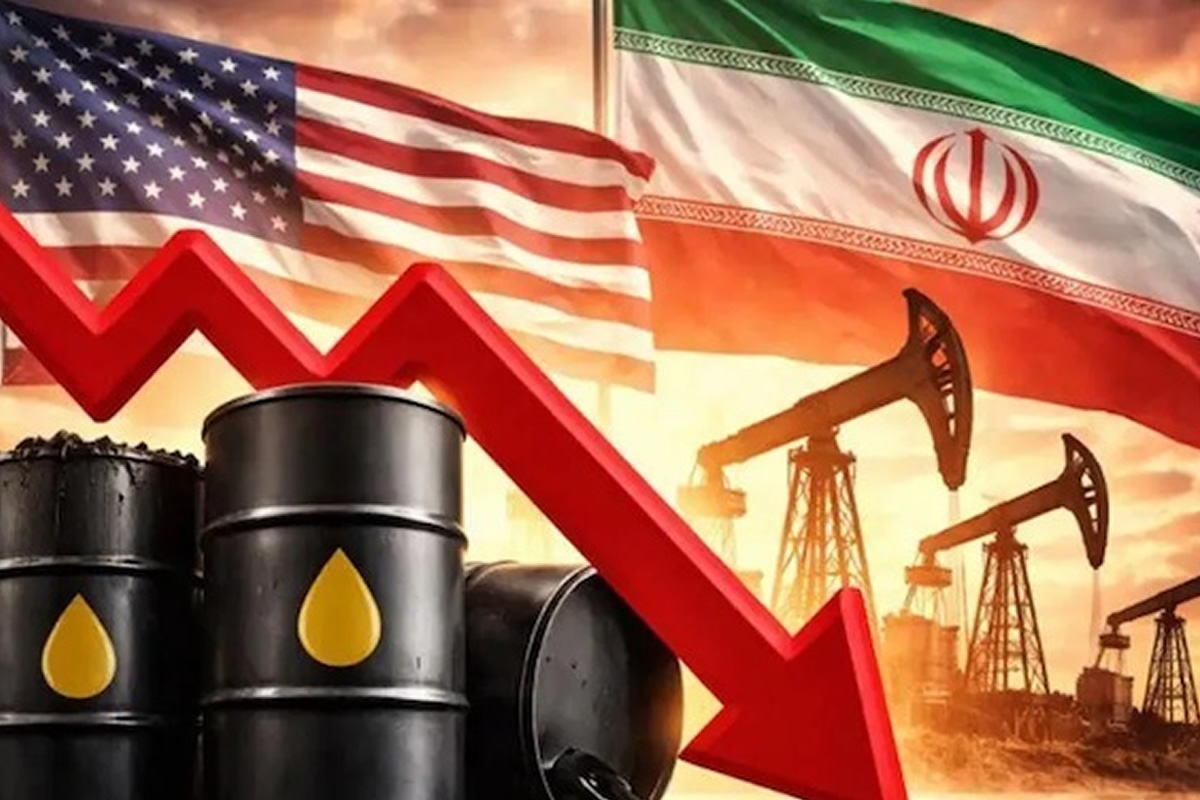
Oil Prices Slide As US-Iran Talks End With Export Relief Deal

Oil prices fell on Monday after negotiations between the United States and Iran concluded in Switzerland, with Tehran announcing that it had obtained exemptions allowing continued oil and petrochemical exports.
Brent crude dropped by $1.68, or 2.09%, to trade at $78.89 per barrel by 0633 GMT. The benchmark had earlier surged above $82 a barrel as markets reacted to tensions surrounding the talks and renewed uncertainty in the Middle East.
US West Texas Intermediate crude futures also moved lower, slipping to $76 a barrel ahead of the contract’s expiration later in the day. The more actively traded August contract declined to $75.16 per barrel.
Market analysts said optimism over a possible diplomatic breakthrough between Washington and Tehran helped ease fears of prolonged supply constraints, prompting traders to reduce risk premiums that had pushed prices higher in recent weeks.
The discussions, which began on Sunday and concluded on Monday, marked the first direct round of talks between senior officials from both countries under a newly agreed framework aimed at preserving a fragile ceasefire for at least 60 days.
Iranian Foreign Minister Abbas Araqchi said the negotiations resulted in waivers for Iranian oil and petrochemical exports, the release of some frozen assets, and the launch of reconstruction and development initiatives for the country.
Analysts noted that any future easing of sanctions could allow significant volumes of Iranian crude to re-enter international markets, strengthening global supply at a time when demand growth remains relatively subdued.
Prior to the talks, concerns over supply disruptions intensified after Iran announced another closure of the Strait of Hormuz, citing alleged violations of the interim peace arrangement by the United States and Israel. Shipping data showed vessel traffic through the strategic waterway fell sharply following the announcement.
Meanwhile, regional tensions persisted as Israeli airstrikes in Lebanon reportedly killed at least 20 people just a day after a ceasefire with Hezbollah took effect.
Despite the diplomatic progress, market observers cautioned that reaching a lasting agreement remains uncertain, warning that the temporary ceasefire could still face significant challenges in the coming weeks.
Oil prices had already fallen more than 8% last week on expectations that additional supplies could reach the market through the release of delayed Gulf cargoes and the prospect of reduced restrictions on Iranian exports.
Iranian officials also reported that more than 25 million barrels of crude had moved through the Gulf region since the beginning of the week, while major producers including the United Arab Emirates, Kuwait and Iraq have increased supply offers to customers.
Iraq, meanwhile, said it intends to gradually raise crude production to between 4.2 million and 4.3 million barrels per day as part of efforts to stabilize output and support market demand.
Related