

News
Group urges FG to increase funding for neglected diseases

Shuaibu said Nigeria risked losing the gains recorded over the years if the government failed to take greater financial responsibility for programmes aimed at eliminating Neglected Tropical Diseases.
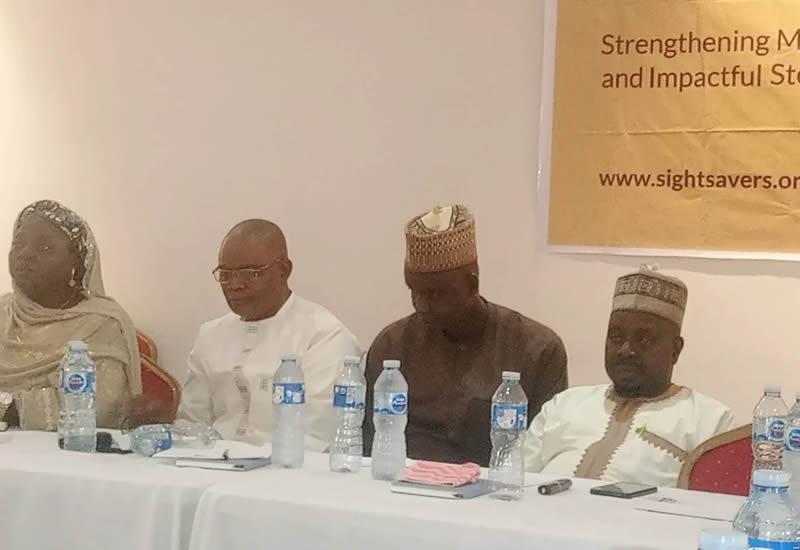
She spoke during a two-day Sightsavers Media Partners Meeting held in Kano on November 3 and 4, 2026, where the organisation shared updates on its programmes and impact, discussed media engagement strategies and explored ways of strengthening collaboration with journalists.
The country director said almost 99 per cent of investments in NTD programmes had come from foreign aid, expressing concern that the government had yet to demonstrate sufficient commitment to sustaining the interventions.
She noted that millions of dollars had been invested in the procurement and distribution of medicines over the past two decades, warning that such investments could go to waste without adequate domestic funding.
“Close to 99 per cent of those investments are from foreign aid because the government does not seem to think that it has a responsibility for that,” Shuaibu said.
She added that the changing international funding environment had made it imperative for Nigeria to take ownership of its health programmes, particularly as donors increasingly demand financial commitments from recipient governments before releasing further support.
“More and more, donors are asking that the government makes a commitment before they can match the government’s commitments. If the government is not able to say what percentage it is contributing, we may not be able to unlock the funding we are seeking to support these programmes,” she said.
Shuaibu identified domestic resource mobilisation as a major priority, stressing that the government must demonstrate ownership and provide the resources required to sustain the fight against NTDs.
She said Sightsavers had detailed records of investments made in the health sector over the past 20 years, including state-by-state data on the cost of medicines and other interventions, which could help governments understand the scale of resources already committed.
On disability inclusion, the country director urged the government to move beyond charity-based interventions and recognise access to education, healthcare, employment and other opportunities as fundamental rights of persons with disabilities.
She criticised the practice of politicians distributing wheelchairs to persons with disabilities for publicity, saying such gestures did little to address the structural barriers confronting them.
“Disability is not charity-based. What we want the government to realise is that it is the right of persons with disabilities to have access to good education, healthcare and livelihood opportunities,” she said.
Shuaibu advocated inclusive education, particularly at the primary school level, arguing that children with disabilities should learn alongside their peers without disabilities to promote equality and reduce discrimination.
According to her, placing children with disabilities in separate schools could reinforce stigma and negatively affect their confidence and self-esteem.
“We do not promote special schools. Inclusive schools are what we promote for primary education. We also need to train teachers to be able to handle children with disabilities alongside other pupils,” she said.
She disclosed that Sightsavers had piloted the inclusive education approach in Kaduna State, adding that the intervention had shown it was possible to create learning environments where children with disabilities could participate fully.
The country director also expressed concern over the gap between disability-related policies and their implementation, saying the lack of compliance, political commitment and enforcement continued to limit progress.
She urged journalists to investigate and report the experiences of persons with disabilities, noting that their stories could draw attention to discrimination and compel policymakers to fulfil their responsibilities.
Related