


News
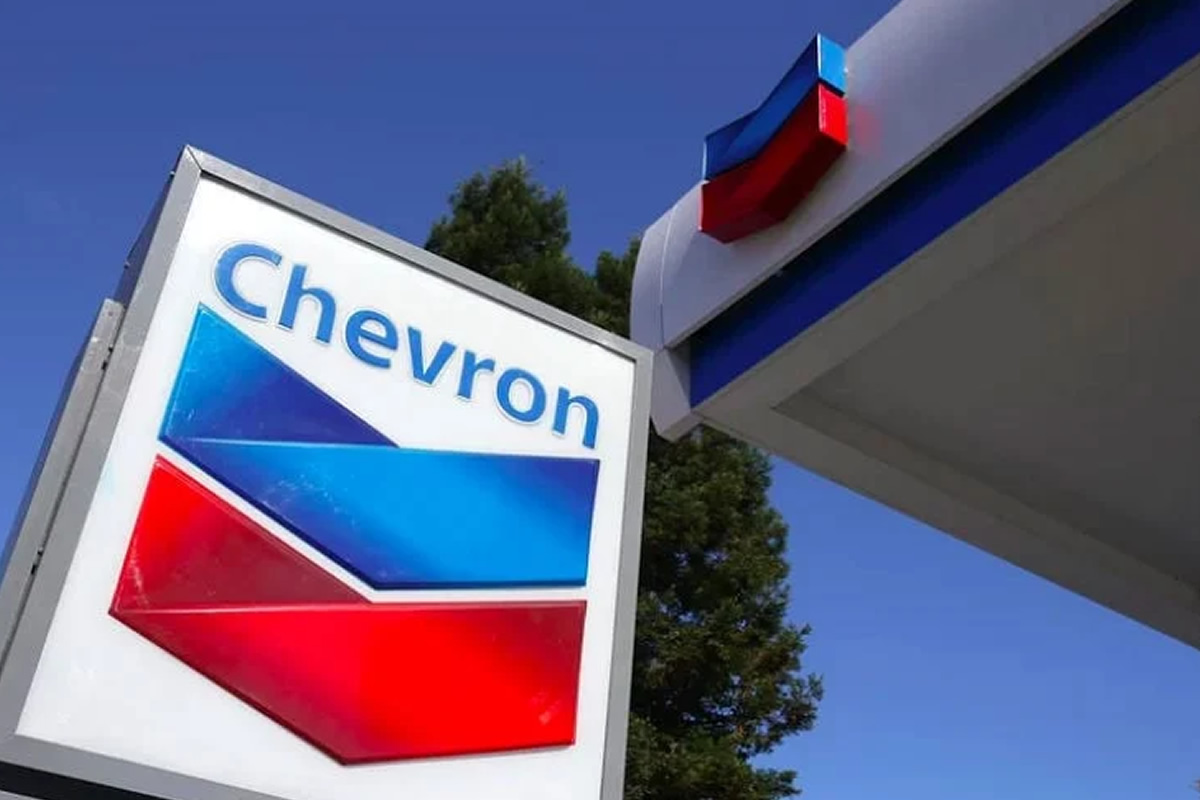
Chevron Pledges More Gas For Nigeria’s Domestic Market, Cites $1bn Annual Local Content Spend

Chevron Nigeria Limited (CNL) said it had spent about $1 billion annually in the past 10 years on developing Nigerian content, adding the company was committed to increasing the utilisation of gas in the domestic market
The general manager, Corporate Affairs, Oduselu Olusoga, stated this on Monday during a one-day Oil and Gas Reporting Workshop in Asaba, organised by the Nigeria Union of Journalists (NUJ), Delta State Council, in partnership with Chevron Nigeria Limited, with the theme, “Enhancing Professional Skills and Ethical Standards in Oil & Gas Journalism.”
Represented by the manager, communications (CNL), Dr. AnyaegbudikeVictor, he highlighted Chevron’s partnership with communities in the Niger Delta, particularly through the Global Memorandum of Understanding (GMoU) model, which he said gave communities greater ownership of their development process.
According to him, under the GMoU model, communities determine their development priorities and prepare five-year development plans, while Chevron provides funding and engages non-governmental organisations to support and monitor implementation.
He said the principles underpinning the GMoU, including participation, transparency, accountability, sustainability and capacity building, were subsequently reflected in the Host Community Development Trust (HCDT) provisions of the Petroleum Industry Act (PIA).
On Nigerian content development, Okusoga said the company’s activities had also contributed to the growth and capacity development of indigenous contractors in the Niger Delta.
Speaking on gas and energy transition, he described gas as Nigeria’s primary transition fuel towards cleaner energy, saying Chevron was committed to increasing the utilisation of gas in the domestic market.
“The company had undertaken gas gathering projects, including the Meji and Escravos projects, to reduce gas flaring and make more gas available for domestic consumption.
He disclosed that the company was undertaking new exploration activities in the Niger Delta and was also partnering other major oil companies on projects.
“Chevron’s commitment to Nigeria. The company remained active across onshore, shallow-water, offshore and deep-offshore operations. Right now, we are not going anywhere,” he said, stressing that Chevron’s continued presence in Nigeria was anchored on its partnerships with host communities and its long-term commitment to the country’s energy sector.
The Delta State chairman of the NUJ, Comrade Churchill Oyowe, said the union was particularly delighted to partner CNL on the capacity-building programme at a time when the oil and gas industry remained central to Nigeria’s economy, energy security and national development.
Oyowe said journalists had a responsibility beyond reporting events, stressing that they must provide the public with accurate, balanced, credible and well-contextualised information.
Delivering a paper titled “Professional Standards in Oil and Gas Reporting: Accuracy, Ethics, and Responsible Journalism,” the Head of the Department, (HOD), of Film and Multimedia Studies, Dennis Osadebay University, Asaba, Dr. Patrick. Edema, said effective reporting of the petroleum industry requires more than knowledge of journalism and petroleum terminology.
Edema stressed the need for journalists to understand the complexity of the oil and gas value chain, including exploration and production, transportation and processing, refining, distribution and marketing.
Related